
Real Estate
Why Attollo Capital Is Evaluating Distressed Real Estate in the UAE
As selective pockets of dislocation emerge across a maturing Gulf property market, we set out why distressed and mispriced real estate in the United Arab Emirates is moving onto our acquisition agenda.
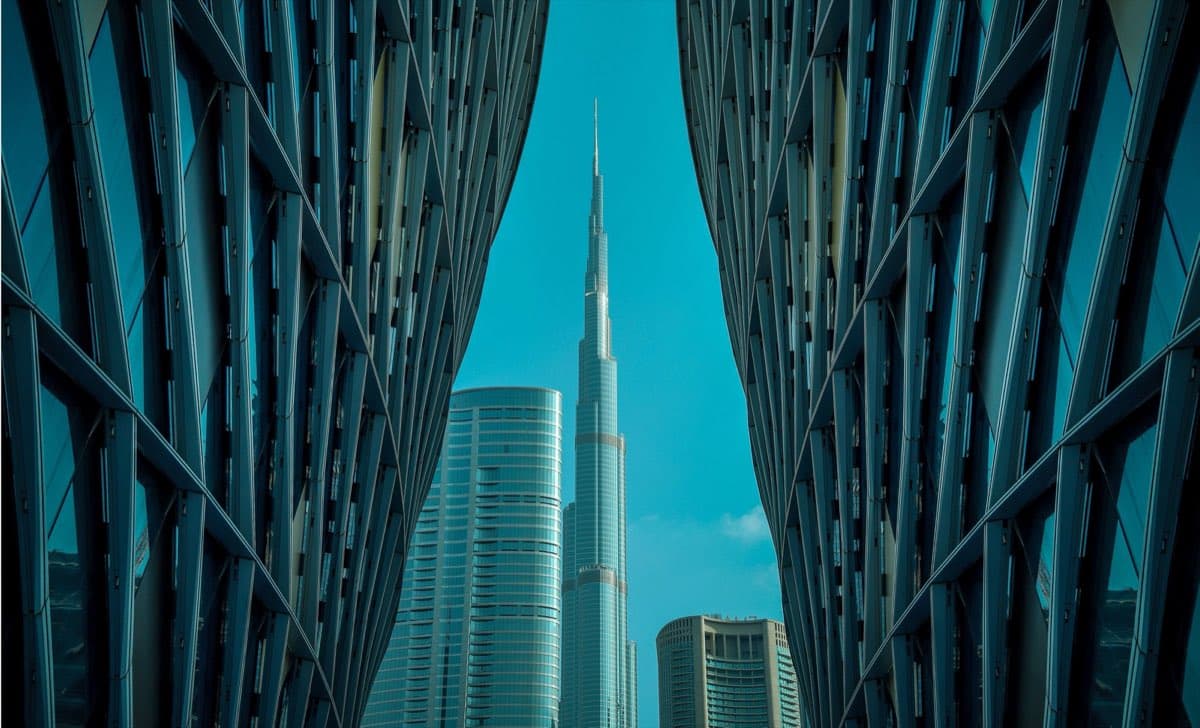
The property market of the United Arab Emirates has been one of the strongest performers of the cycle, yet beneath a buoyant headline a more interesting picture is emerging. As the market matures, outcomes are beginning to diverge, and with that divergence comes the kind of selective distress that a patient, value driven acquirer can put capital to work behind. This is why the Emirates is moving onto our agenda.
A Maturing Market Begins to Disperse
The United Arab Emirates has spent the past decade building one of the most liquid and internationally owned property markets outside the established global gateways. Sustained population growth, a deep pool of foreign capital, and a steady programme of delivery have lifted values across most segments, with the headline indices in Dubai and Abu Dhabi reaching new highs through the recent cycle.
What interests us is not the strength of the average, but the widening dispersion beneath it. A market that rises uniformly offers little to a value driven buyer. A market that has matured to the point where outcomes diverge by asset, location, sponsor, and capital structure is where mispricing begins to appear, and that is the environment now taking shape across parts of the Emirates.
Where the Dislocation Is Forming
Distress in this market is rarely systemic. It is specific. We see it concentrated in a handful of recognisable situations rather than across the board. Over leveraged developers carrying projects financed in a lower rate environment now face refinancing at materially higher cost. Stalled or slow moving schemes sit with sponsors who lack the capital to complete them. Older commercial stock in secondary locations struggles to compete with newer, better specified supply.
There is also a quieter form of dislocation in assets that are fundamentally sound but owned by sellers who need liquidity for reasons unrelated to the property itself. A motivated owner facing pressure elsewhere in a portfolio can price an otherwise healthy building to move. These are the situations that reward patient, well capitalised buyers, and they are becoming more frequent as the cycle matures.
The Case for the United Arab Emirates
Several structural features make the Emirates an attractive place to pursue this strategy. The macro backdrop remains supportive, with population inflows, a pro business policy stance, and continued diversification away from hydrocarbons underpinning long term demand for quality space. Currency stability removes a layer of risk that complicates distressed strategies in many emerging markets.
The legal and ownership framework has also matured. Clearer freehold zones, stronger registration, and a more predictable enforcement environment make it more feasible to acquire, reposition, and exit assets with confidence. For a buyer prepared to underwrite individual situations carefully, the combination of genuine dislocation and improving institutional infrastructure is a rare and constructive one.
What We Are Underwriting
Our focus is on assets where the impairment lies in the capital structure or the situation, not in the underlying real estate. A well located building with a broken balance sheet is a far more interesting proposition than a cheap building in a location with no demand. We are looking for replacement cost discounts, durable end user demand, and a clear path to stabilisation that we can control rather than hope for.
Underwriting is conducted asset by asset. We test each opportunity against conservative assumptions on rent, occupancy, financing cost, and exit, and we require a margin of safety that holds even if conditions soften further. The discipline is to separate assets that are temporarily mispriced from those that are permanently impaired, and to act only on the former.
Risks and How We Frame Them
No distressed strategy is without risk, and the Emirates carries its own. Supply can arrive in waves, and a market that absorbs new stock comfortably in one year can look oversupplied in the next. Liquidity, while deep by regional standards, can thin quickly in a downturn, which lengthens hold periods and tests assumptions on exit timing.
We frame these risks through structure and selectivity rather than optimism. Conservative leverage, realistic business plans, and a preference for assets with existing income reduce dependence on a buoyant market to generate a return. The aim is to build positions that survive a slower scenario and outperform in a normal one, rather than to rely on a strong market to rescue an aggressive entry price.
How an Acquisition Would Be Structured
We expect to pursue opportunities through a mix of direct asset purchases, the acquisition of loans secured against quality real estate, and selective recapitalisations alongside existing sponsors who need fresh equity to complete or stabilise an asset. Each route suits a different kind of situation, and the structure follows the opportunity rather than the other way around.
Local partnership matters in this market. Working with established operators and advisers who understand the regulatory detail, the leasing dynamics, and the practicalities of execution allows us to move with the speed that distressed situations demand while protecting against the risks that catch out buyers operating from a distance.
How We Read It
The opportunity in the Emirates is not a broad call on a falling market. It is a targeted view that a maturing, dispersing market is beginning to produce individual situations where price has separated from value. That separation is where a disciplined acquirer earns its return.
We are approaching the theme with patience and a high bar. The intention is to acquire a small number of well located assets at prices that reflect distress in the seller or the structure rather than the real estate, to stabilise them with control over the business plan, and to hold them into a market we believe has durable long term demand. Billions of capital are chasing the obvious trades in this region. Our interest is in the situations the broader market has overlooked.
The views expressed are for general informational purposes only and do not constitute investment, legal, or tax advice.