
Capital Markets
Saudi Arabia's Private Markets Come of Age as Global Capital Arrives
Foreign investors committed 5.3 billion dollars to Saudi private markets in 2025, most of the Kingdom's total, and the investor base has grown more than fivefold since 2019. We look at how the country moved from a regional story to a destination in its own right.
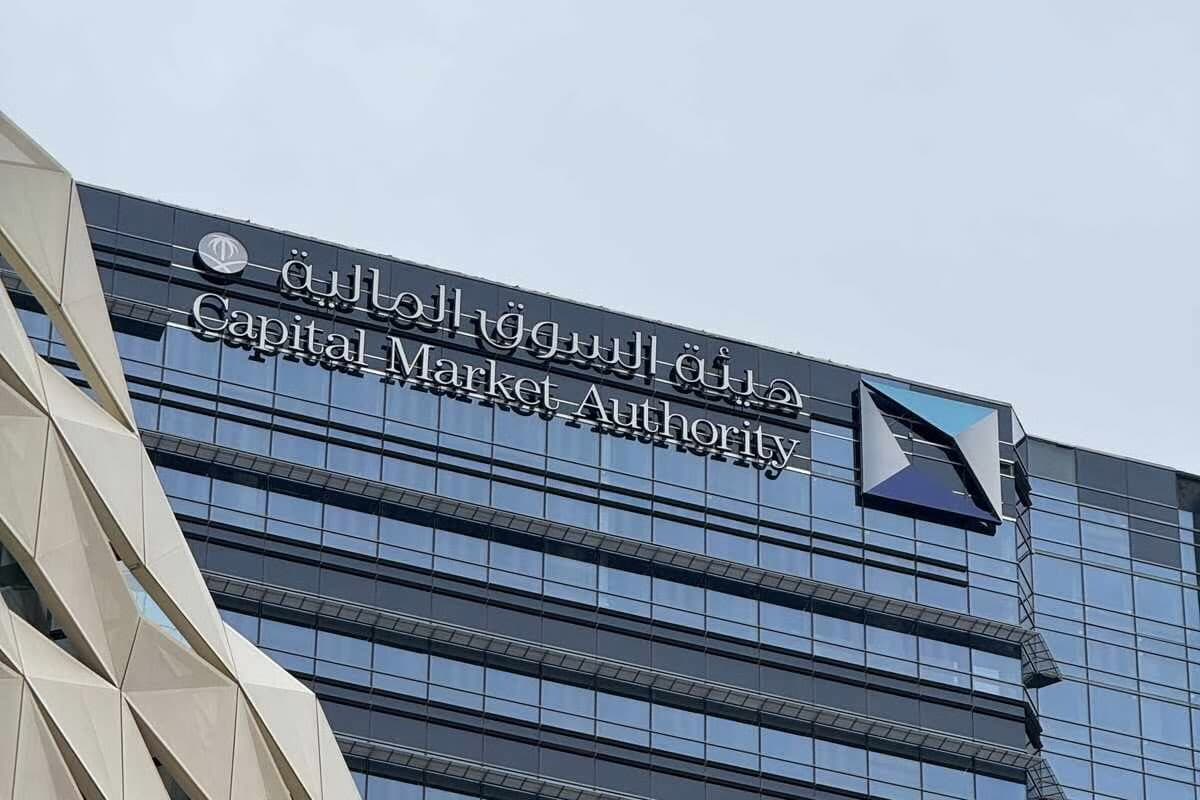
Saudi Arabia has spent the better part of a decade telling the world that it intends to build a modern investment economy. The latest figures on private capital suggest the world has started to believe it. International investors are now the largest source of private capital in the Kingdom, and their numbers have multiplied several times over in only a few years. What was once a regional ambition is becoming a global destination, and the reasons behind that change say as much about how markets are built as they do about Saudi Arabia itself.
A Number That Marks a Turning Point
In 2025 international investors committed close to 5.3 billion dollars to Saudi Arabia's private markets, a figure that on its own would be notable and in context is genuinely significant. That sum accounted for the majority of all private capital deployed in the Kingdom during the year, which means foreign money was not a supplement to domestic activity but the larger part of it. A market that only a few years ago relied heavily on local and government capital is now drawing the bulk of its investment from abroad.
The scale of the shift becomes clearer over a longer horizon. Since 2019 more than 40 billion dollars of private capital has flowed into the country, and the number of foreign investors active in the market has grown from fewer than thirty to almost one hundred and fifty. Growth of that shape, from a narrow base to a broad and international one in the space of a few years, is the signature of a market crossing from promise into performance.
From a Regional Story to a Destination
For a long time the Gulf was treated by global allocators as a single trade, a way to gain exposure to oil wealth and regional growth without looking too closely at the differences between one market and the next. Saudi Arabia has spent the past several years breaking out of that framing. The Kingdom is now the largest venture capital market in the wider Middle East and North Africa region, a position it has held for three consecutive years, and it is increasingly assessed on its own merits rather than as part of a regional basket.
The head of the country's leading venture capital institution captured the change well in observing that international capital now treats the Kingdom as a destination in its own right. That is a subtle but important distinction. Being a destination means investors are building dedicated strategies, hiring local teams, and returning for successive rounds rather than making a single opportunistic bet. It is the difference between visiting a market and committing to it.
Where the Money Is Going
The capital arriving in the Kingdom is not spread evenly. Financial technology and e-commerce have drawn the largest share, reflecting a young and digitally native population that has adopted new financial and shopping habits at remarkable speed. These are businesses that scale quickly when the underlying market is growing, and Saudi Arabia offers exactly the kind of expanding consumer base that rewards them.
Beyond those leaders a broader set of sectors is maturing. Healthcare, enterprise software, and education technology are attracting serious commitments, and more traditional areas such as food and beverage and logistics are drawing capital as the infrastructure of a modern consumer economy is built out. The breadth matters as much as the totals. A market concentrated in a single hot sector is fragile, while one that is deepening across many is laying the foundations of a durable ecosystem.
The Infrastructure Behind the Inflows
Capital does not arrive because a market is fashionable. It arrives because the plumbing works. Much of the progress in Saudi Arabia has come from the unglamorous work of modernising the rules, the registration, and the protections that professional investors require before they will commit at scale. Clearer regulation, more predictable processes, and stronger institutions have lowered the perceived risk of doing business, and lower perceived risk translates directly into higher willingness to invest.
This is the quiet engine of the story. The headline figures on inflows are the visible result, but they rest on years of building the market infrastructure that allows international investors to underwrite opportunities with confidence. A country can announce ambitions and offer incentives, yet nothing substitutes for the credibility that comes from a market that behaves the way global capital expects it to behave.
The Role of Catalytic Capital
One feature that distinguishes the Saudi model is the deliberate use of government backed capital to seed and support the private ecosystem. Rather than waiting for a market to form on its own, state linked institutions have acted as anchor investors, committing to funds and companies in a way that gives private and foreign capital the confidence to follow. Done well, this kind of catalytic capital crowds investment in rather than crowding it out.
The measure of success for such a strategy is not how much the state deploys but how much private capital it attracts alongside. On that test the recent numbers are encouraging, with foreign investment now forming the larger part of the total. The goal of catalytic capital is ultimately to make itself less necessary, and a market in which international investors are taking the lead is a sign that the approach is working as intended.
What Could Slow the Momentum
No transition of this kind is without risk. A market that has grown quickly can attract capital faster than it produces the companies and managers capable of absorbing it, and that mismatch can push valuations ahead of fundamentals. The true test of an ecosystem is not the money that enters but the returns that eventually leave, and a young market has yet to prove itself across a full cycle of exits and distributions.
There are broader sensitivities as well. The Kingdom's economy remains linked to the price of energy, and a sustained downturn could temper both domestic ambition and foreign appetite. Global conditions matter too, since the same rise in the cost of capital that has slowed dealmaking elsewhere touches emerging destinations as well. The momentum is real, but it will be tested, and the markets that endure are the ones that treat a boom as a foundation to build on rather than a result to celebrate.
How We Read It
We read the arrival of global capital in Saudi Arabia as a structural development rather than a passing enthusiasm. The combination of a large and young population, a deliberate programme of economic diversification, and years of patient work on market infrastructure has produced something that international investors are now treating as a permanent part of their map. The shift from a regional footnote to a standalone destination is the kind of change that tends to persist.
For a disciplined investor the lesson is to engage with the opportunity while keeping the same standards that apply anywhere. The attractive entry points will be found by underwriting individual companies and managers rather than by buying the theme wholesale, and by remembering that the best returns in a fast growing market often come to those who are selective while others are simply eager. Saudi Arabia has earned its place in the conversation. The work now is to invest in it with judgement rather than momentum.
The views expressed are for general informational purposes only and do not constitute investment, legal, or tax advice. Figures referenced are drawn from publicly reported market data.