
Real Estate
The Repricing Cycle, Where Global Real Estate Dealmaking Goes Next
After a long pause, transaction activity in global real estate is thawing. We examine the forces now driving dealmaking, from the reset in interest rates and the debt funding gap to record private capital, the rise of digital infrastructure, and the slow repricing of the assets the market once took for granted.
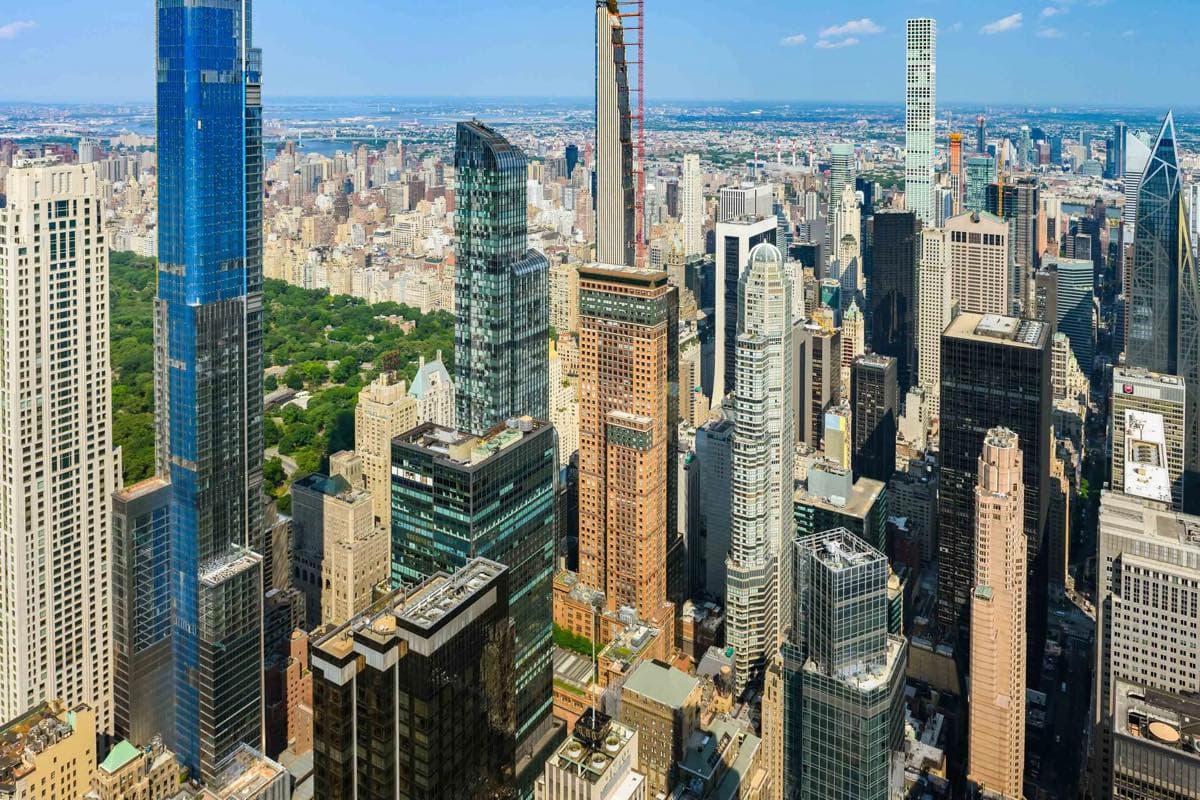
Global real estate is emerging from one of the longest pauses in its recent history. The standoff between buyers and sellers that froze transactions is easing as the cost of capital settles, and a market that spent two years waiting is beginning to move again. What follows will not be a return to the old cycle but the start of a new one, shaped by higher rates, a wall of maturing debt, and a quiet revision of what the market regards as a safe asset. For investors prepared to read the shift carefully, the repricing underway is as much an opening as it is a reckoning.
A Market Coming Out of Its Pause
For the better part of two years global real estate has been caught in a standoff. Buyers wanted prices that reflected a higher cost of money, sellers held out for the values printed in a cheaper era, and the gap between the two froze transaction volumes across most major markets. Deals that did close were often forced rather than chosen, the product of refinancing pressure or fund maturities rather than genuine conviction. The result was a long and uncomfortable quiet.
That quiet is beginning to lift. As the path of interest rates becomes clearer and the cost of capital settles into a range that both sides can underwrite, the distance between bid and ask is narrowing. Activity is returning first in the sectors where the income story is strongest and the pricing has already adjusted, and only slowly in the corners of the market that have yet to face the full weight of revaluation. The thaw is real, but it is uneven, and that unevenness is where the opportunity lies.
The Reset in the Cost of Capital
Every real estate cycle is, at its core, a story about the price of money. The long period of very low rates inflated values across the entire asset class, rewarding ownership almost regardless of quality, because cheap debt flattered every business plan. When rates rose, that tide went out, and the assets left exposed were the ones whose returns had depended on financing rather than fundamentals. The reset has been painful precisely because it was so broad.
What matters now is that the cost of capital has stopped surprising the market. Investors can price a deal against a rate they believe will hold, rather than guessing at a moving target, and that stability does more to revive transactions than any single move up or down. A market can adapt to expensive money. What it cannot do is function when the cost of that money is unknown. As certainty returns, so does the willingness to commit.
The Debt Funding Gap
Beneath the headline question of values sits a quieter and more consequential one. A vast amount of real estate debt arranged in the cheap era is now coming due, and much of it will refinance into a market with higher rates and more cautious lenders. The sums that banks and traditional lenders are willing to advance against a given building have fallen, leaving a gap between what an owner owes and what the market will lend afresh. That gap has to be filled by someone.
This is one of the defining features of the current moment. The funding gap creates motivated sellers where there were none, and it opens the door to providers of flexible capital who can step into the space that conventional lenders have vacated. Mezzanine debt, preferred equity, and recapitalisations alongside existing owners are becoming the instruments of the cycle. For disciplined capital, the gap is not a problem to be feared but a source of well structured opportunity.
Record Capital Waiting on the Sidelines
Alongside the dislocation sits an unusual abundance. Private real estate funds have raised enormous amounts of capital that has not yet been deployed, accumulated through the very years when transactions were scarce. That dry powder has been waiting for the moment when prices and expectations realign, and as that moment arrives the pressure to put capital to work will add fuel to the recovery in deal activity.
Abundant capital is a double edged thing. It supports the floor under high quality assets and ensures that genuinely attractive opportunities are competed for rather than ignored. At the same time it can compress returns quickly if too much money chases the same obvious trades. The advantage will sit with investors who can see value where the crowd is not yet looking, and who have the patience to wait for the right entry rather than deploying for the sake of being active.
Digital Infrastructure and the New Core
Perhaps the most striking change in real estate is what the market now considers core. For decades the prime office tower and the trophy retail asset sat at the centre of institutional portfolios. Today the gravity has shifted towards the buildings that house the digital economy. Data centres, in particular, have moved from a niche speciality to one of the most sought after categories in the entire asset class, driven by the relentless demand for computing power and the infrastructure that artificial intelligence requires.
Logistics and the warehouses that underpin modern commerce have followed a similar path, turning from an afterthought into a foundation of the new core. What unites these categories is that their demand is tied to structural change rather than the economic cycle alone. They are leased to tenants whose own growth depends on the space, and they sit at the heart of trends that show little sign of slowing. The market is rewriting its definition of a safe, income producing asset, and the buildings of the digital age are at the centre of that revision.
The Living Sectors and the Search for Durable Income
If digital infrastructure represents the new frontier, the residential and living sectors represent the new ballast. Rental housing, student accommodation, and the various forms of purpose built living have drawn growing institutional interest because they offer something the market prizes in an uncertain time, which is income that holds up across conditions. People need somewhere to live regardless of where rates sit, and that simple fact gives the sector a resilience that more cyclical property types lack.
The appeal is reinforced by a persistent shortage of housing in many of the world's most important cities. Where supply has failed to keep pace with population and household formation, the underlying demand for living space provides a tailwind that does not depend on a buoyant economy. For investors seeking durable cash flows rather than speculative gains, the living sectors have become one of the clearest expressions of defensive real estate.
Repurposing What the Cycle Left Behind
Not every asset will recover by waiting. The clearest example is the older office building in a secondary location, caught between changed working patterns and a flight to the highest quality space. For a meaningful share of this stock there is no return to former values, and the honest answer is reinvention rather than patience. Conversion to residential use, repositioning for a different tenant base, or in some cases removal from the market altogether are becoming the realistic paths forward.
Repurposing is rarely simple. It demands capital, local knowledge, and a tolerance for the friction of planning and construction, and it is not available everywhere. Yet for investors with the skill to execute it, the discount at which obsolete assets now trade can more than compensate for the work involved. The cycle that punished the wrong buildings is also creating the conditions for their transformation, and that transformation is one of the more interesting sources of value in the years ahead.
Energy, Buildings, and the Cost of Standing Still
The transition to a lower carbon economy has moved from a reputational concern to a financial one. Buildings consume a large share of the world's energy, and the standards governing their efficiency are tightening across major markets. An asset that fails to meet the expectations of tenants, lenders, and regulators on energy performance now carries a discount that grows over time, while the building that meets them commands a premium and a deeper pool of demand.
This turns sustainability from a matter of principle into a matter of pricing. The capital required to upgrade an ageing building is real, but so is the penalty for neglecting it, and the gap between the two is widening. Investors who treat energy performance as central to underwriting rather than an afterthought will find themselves on the right side of a structural shift, owning the assets that the market wants and avoiding the ones it is quietly leaving behind.
How We Read It
The recovery in global real estate dealmaking will not look like the broad rising tide of the last cycle. It will be selective, led by the sectors with structural demand and by the situations where the cost of capital and the funding gap have created genuine dislocation. The market is sorting itself into assets with a durable future and assets that require either reinvention or a permanent revaluation, and the distance between those two groups is the opportunity.
Our approach is to underwrite that distinction with discipline. We are drawn to durable income in the living and digital infrastructure sectors, to the flexible capital that the funding gap demands, and to the mispriced assets that careful work can transform. We are wary of paying yesterday's prices for a recovery that may not come, and of crowding into the obvious trades that abundant capital has already found. The repricing cycle is not a single event to be timed but a process to be navigated, and it rewards those who choose carefully far more than those who simply choose to be active.
The views expressed are for general informational purposes only and do not constitute investment, legal, or tax advice.